
The Complete Guide to Workforce Management Software for Modern Businesses in 2026
What Is Workforce Management Software?
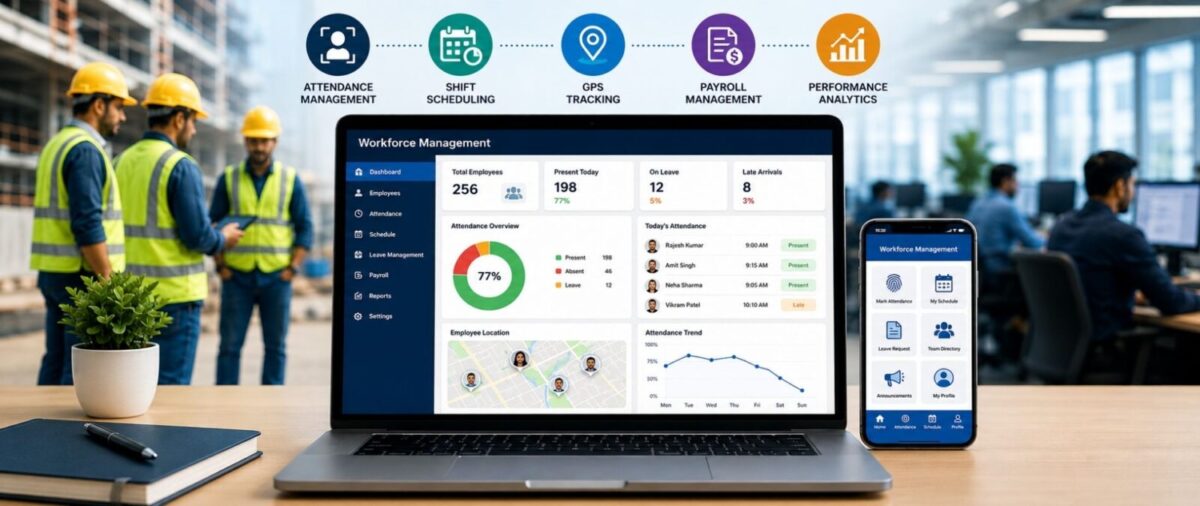
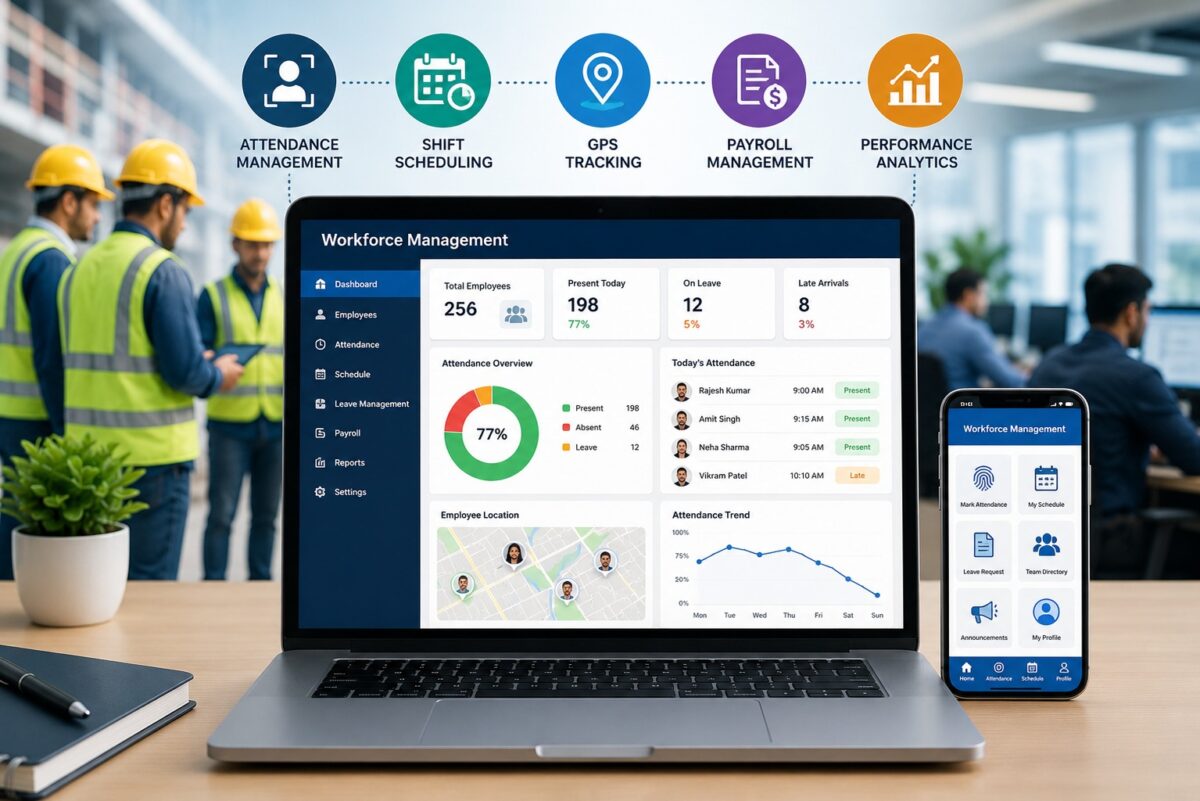
Workforce management software is a digital platform that helps businesses plan, manage and optimise their people through a single system, bringing together essential functions and cutting manual processes.
Instead of relying on spreadsheets and disconnected tools, businesses can manage attendance, scheduling, employee records and workforce reporting from one central place.
Many platforms also include employee attendance software, mobile time and attendance, GPS attendance tracking, facial recognition attendance, leave management and cloud-based reporting.
The goal is simple: less time on admin, more time supporting people.
That goal becomes even more important as workplace dynamics continue to evolve.
Why Workforce Management Matters More in 2026
The workplace has changed, and businesses now need far greater visibility across distributed teams, remote staff and multiple sites. Key drivers include rising workforce mobility, real-time data demand, tighter compliance and higher digital expectations at work.
Modern workforce platforms meet these needs by putting accurate information in front of managers exactly when they need it.
Meeting these demands starts with knowing exactly what to look for in a platform.
Essential Features Every Business Should Look For
Choosing the right platform means more than comparing feature lists. Businesses should look for solutions that simplify daily operations while supporting future growth.
Workforce Visibility and Operational Control
- Real-time attendance tracking: Managers can instantly see who is working, where and since when.
- Smart scheduling: Build employee schedules quickly while cutting conflicts and improving coverage.
- Cloud-based access: Reach workforce information securely from any location on any device.
- Workforce reporting: Generate reports that reveal trends and areas for improvement.
Employee Experience and Business Efficiency
- Mobile workforce management: Employees can clock in, request leave and check work information from their phones.
- GPS attendance tracking: Verify attendance for field staff with greater location accuracy.
- Facial recognition attendance: Enable fast, contactless check-ins with seamless verification.
- Leave and absence management: Simplify approvals while keeping records accurate and up-to-date.
Benefits of Investing in a Modern Workforce Platform
A well-designed platform delivers measurable value across the business. It improves visibility by giving managers live workforce information for quicker decisions as circumstances change. Automation cuts repetitive admin tasks and frees teams to focus on productive work.
Accurate attendance data also strengthens payroll by cutting manual errors and building confidence in recorded hours. Managers benefit from better workforce planning, since scheduling then rests on reliable information rather than guesswork.
Employees enjoy a smoother experience too, with mobile access, faster approvals and transparent records building trust across the organisation.
Businesses using employee time tracking software can also spot productivity trends and optimise staffing levels over time.
Koyyo brings these capabilities together in one purpose-built platform designed to help businesses manage their workforce more effectively.
How Koyyo Supports Smarter Workforce Management
Choosing a workforce management application is not simply about ticking off features. It is about finding a platform that supports everyday operations without adding unnecessary complexity.
Koyyo gives businesses a modern workforce platform built to simplify attendance management, workforce visibility and operational efficiency.
Its solution combines an employee attendance management system with mobile access, real-time reporting, GPS attendance tracking, facial recognition attendance and scheduling support in one place, helping organisations cut manual admin while giving managers greater confidence in their data.
As businesses grow, a scalable platform that adapts alongside operational needs helps them stay productive without constantly switching systems.
With so many platforms promising the same, choosing the right one comes down to a few key factors.
Choosing the Right Workforce Management Software in 2026
Every business has unique workforce needs, so the right solution should align with operational goals, team size and future growth.
Ease of use, scalability and mobile accessibility help ensure smooth adoption while allowing employees and managers to access essential functions anywhere.
Strong integration, accurate data and security are equally important. A well-chosen platform supports better decisions, reduces administrative effort and aligns with the OECD’s work on digital transformation and labour markets.
Key Takeaways
- Workforce management software has become an essential business tool in 2026.
- A centralised platform improves visibility, efficiency and workforce planning.
- Automation reduces admin and improves operational accuracy.
- Mobile capabilities support today’s distributed workforce.
- Real-time data enables faster, better-informed decisions.
- A scalable solution such as Koyyo helps businesses prepare for future growth.
The Future of Workforce Management
Managing people effectively has never mattered more. As organisations adapt to new ways of working, technology plays a critical role in supporting productivity, compliance and employee experience.
The right workforce platform brings people, processes and information together, helping businesses work smarter and decide with confidence.
Investing in modern workforce management software is a strategic decision that helps businesses improve operations and prepare for future workforce needs.
Frequently Asked Questions
1. How long does it typically take to implement workforce management software?
Implementation timelines vary by business size and existing systems, but most cloud-based platforms can be deployed within a few weeks, with data migration and staff onboarding as the main variables.
2. Can workforce management software integrate with existing payroll and HR systems?
Most modern platforms are built to integrate with popular payroll, HR and ERP systems through APIs, reducing duplicate data entry and keeping employee records consistent across tools.
3. How does workforce management software support compliance across multiple locations?
Centralised platforms apply consistent attendance and leave policies across sites while adapting to local labour regulations, giving managers a single source of truth for audits and reporting.
Ready to Modernise Your Workforce?
Give your managers the workforce management software they need to simplify operations, improve visibility and make faster decisions with confidence.
Discover how Koyyo can help your organisation streamline attendance, optimise workforce planning and build a more productive workplace for 2026 and beyond.